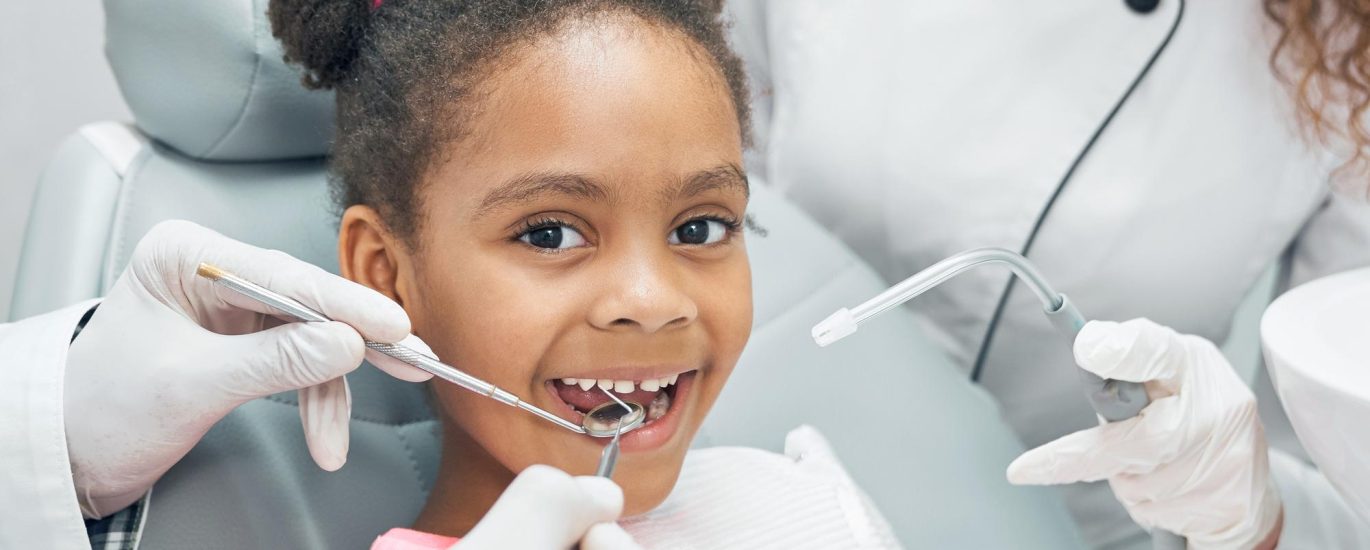
Children’s teeth may be small, but the science behind keeping them healthy is big. Early dental care is not just about avoiding cavities in baby teeth. It shapes how your child bites, chews, speaks and even feels about themselves.
Here is what science tells us about pediatric dental care and why it matters more than many parents realise.
Baby Teeth Are Not “Practice Teeth”
Some parents believe baby teeth are temporary and therefore not important. Research shows the opposite.
Healthy baby teeth:
- Guide permanent teeth into the right position
- Help children chew properly and get enough nutrition
- Support clear speech development
- Maintain space in the jaws for adult teeth
When baby teeth are lost too early due to decay or infection, neighbouring teeth drift into the space. This often leads to crowding and orthodontic problems later.
Bacteria Start Early
Cavity‑causing bacteria are usually passed from caregivers to children through everyday contact: sharing spoons, cleaning dummies with the mouth or kissing on the lips.
Once these bacteria colonise the mouth, sugary drinks and snacks feed them. They produce acid that dissolves enamel and forms cavities.
Early dental visits help parents understand:
- How to clean baby teeth and gums
- Which feeding and snacking habits increase risk
- When to stop night‑time bottles or breastfeeding on demand
This knowledge can prevent serious early childhood decay.
Enamel Is Thinner in Children
Children’s enamel is thinner and less mineralised than adult enamel. That means:
- Cavities can develop faster
- Decay can reach the nerve more quickly
- Teeth can become painful suddenly
Regular checkups allow dentists to spot tiny problems before they cause pain. Small fillings are quicker, easier and less frightening than emergency treatment.
Fluoride and Sealants: Evidence‑Based Protection
Decades of research show that fluoride strengthens enamel and reduces cavities. In Kenya, many urban children and adults benefit from fluoride toothpaste, but some areas still have less optimal fluoride in water.
Dentists may recommend:
- Professional fluoride varnish for high‑risk children
- Fissure sealants on the chewing surfaces of molars
Sealants are thin coatings that block bacteria from hiding in deep grooves. Studies show they significantly reduce decay in children’s permanent molars.
Dental Anxiety and Behaviour
How children experience dentistry early on affects their attitude for life. Gentle, positive visits during early childhood:
- Build trust with the dental team
- Teach children that the clinic is a safe place
- Make future treatment much easier
Waiting until a child has pain or swelling often means a longer, more complex visit. That can increase fear and resistance.
Pediatric‑aware dentists use behaviour techniques such as “tell‑show‑do,” distraction and praise to help children cope.
Links to General Health
Studies connect poor oral health in children with:
- Lower school performance due to pain and poor sleep
- Difficulty eating, leading to nutritional deficiencies
- Lower self‑esteem due to visible decay or missing teeth
By contrast, healthy teeth support better eating, sleeping and learning.
When Should a Child First See a Dentist?
Most dental organisations recommend a first visit by the first birthday or within six months of the first tooth erupting. After that, many children do well with six‑monthly visits, though timing can be adjusted to each child.
Early and regular pediatric dental care rests on strong science. It is one of the simplest investments parents in Nairobi can make in their child’s long‑term health and confidence.