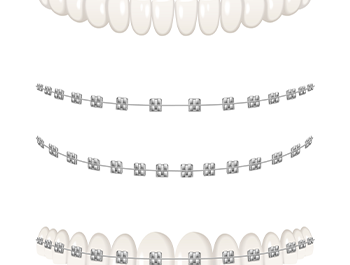
Teeth braces are orthodontic appliances used to:
- Straighten crooked or rotated teeth
- Close gaps between teeth
- Correct overbite, underbite, or crossbite
- Improve overall alignment and function of your bite
Braces work by applying gentle, continuous pressure that gradually moves your teeth into a better position over time. Modern orthodontics offers multiple options—metal, ceramic, and clear aligners—so you can choose a solution that fits your lifestyle and budget.
Who Needs Braces?
You (or your child) may benefit from braces if you have:
- Crowded or overlapping teeth
- Gaps or spaces between teeth
- Teeth that stick out (protruding teeth)
- Difficulty biting or chewing properly
- Jaw pain or clicking related to bite issues
- A history of thumb sucking or early tooth loss affecting tooth position
We treat children, teens, and adults. It’s never “too late” to straighten your teeth—as long as your teeth and gums are healthy, orthodontic treatment can work at almost any age.
If you’re unsure whether you need braces, schedule a consultation. We’ll examine your teeth, take digital X‑rays or scans, and explain your options clearly.
Types of Braces We Offer in Parklands, Nairobi
At Ridgepark Dental Clinic, we offer a range of orthodontic options so you can choose what suits your needs, appearance preferences, and budget.
1. Traditional Metal Braces
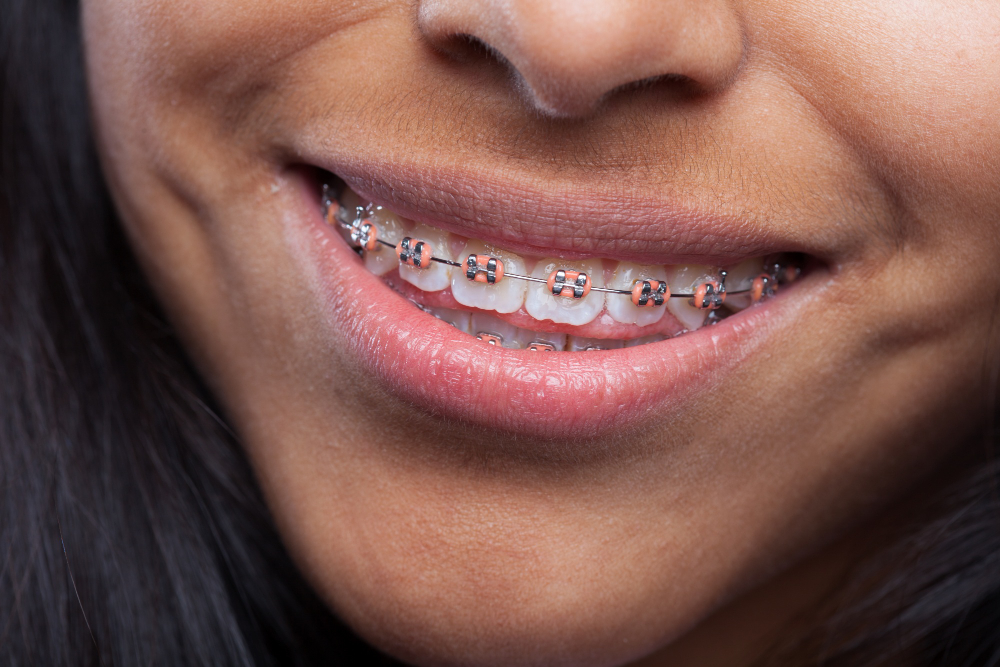
Metal braces are the most common and often the most affordable type of braces.
Benefits:
- Strong and effective for even complex cases
- Often the fastest option for severe crowding or bite issues
- Suitable for children, teens, and adults
Modern metal braces are smaller and more comfortable than older designs, and many younger patients enjoy choosing coloured bands.
2. Ceramic (Tooth-Coloured) Braces
Ceramic braces work the same way as metal braces but use tooth‑coloured or clear brackets that blend more naturally with your teeth.
Benefits:
- Less noticeable than metal braces
- Good option for image-conscious teens and adults
- Effective for many types of alignment and bite problems
They require slightly more care to keep brackets and elastic ties from staining, but we’ll guide you on how to look after them.
3. Clear Aligners (Invisalign-Style)
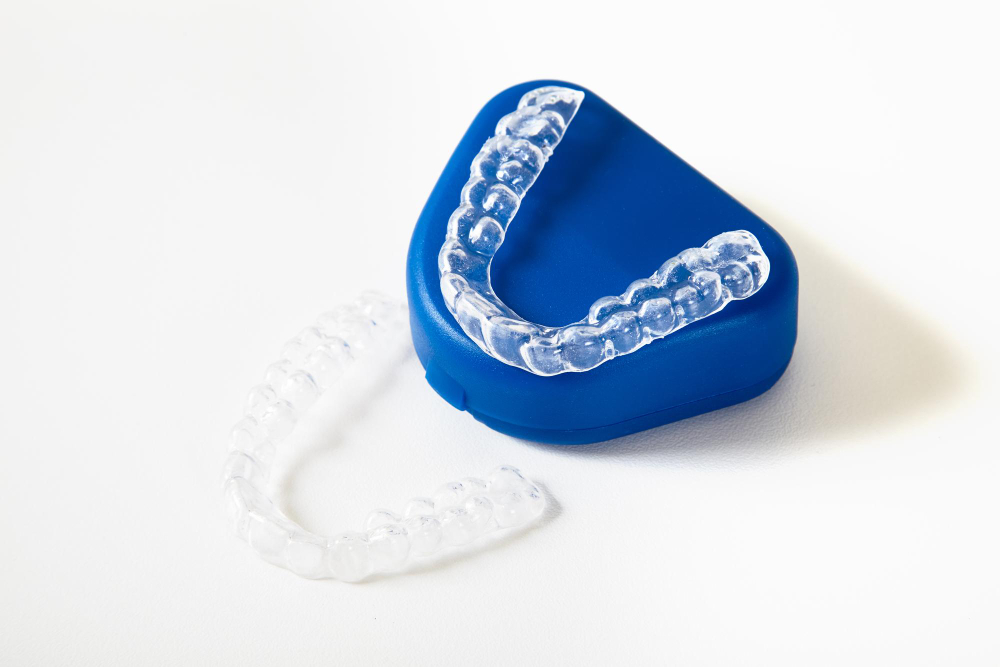
Clear aligners are removable, transparent trays that gradually straighten your teeth without fixed brackets and wires.
Benefits:
- Almost invisible when worn
- Removable for eating, brushing, and special occasions
- Comfortable, with no metal brackets or wires
- Ideal for mild to moderate crowding, spacing, and certain bite issues
Clear aligners are especially popular with professionals and university students who want a discreet, flexible option. Success depends on wearing them as instructed (usually 20–22 hours per day).
How Braces Treatment Works at Ridgepark Dental
Step 1: Orthodontic Consultation
- We examine your teeth, jaws, and bite
- Take digital X‑rays, photos, and/or scans
- Discuss your concerns and goals for your smile
- Recommend suitable options (metal, ceramic, clear aligners)
- Provide an estimated treatment time and cost range
You’ll have time to ask questions and decide which option you’re comfortable with.
Step 2: Treatment Planning & Fitting
For fixed braces (metal or ceramic):
- We clean and prepare your teeth
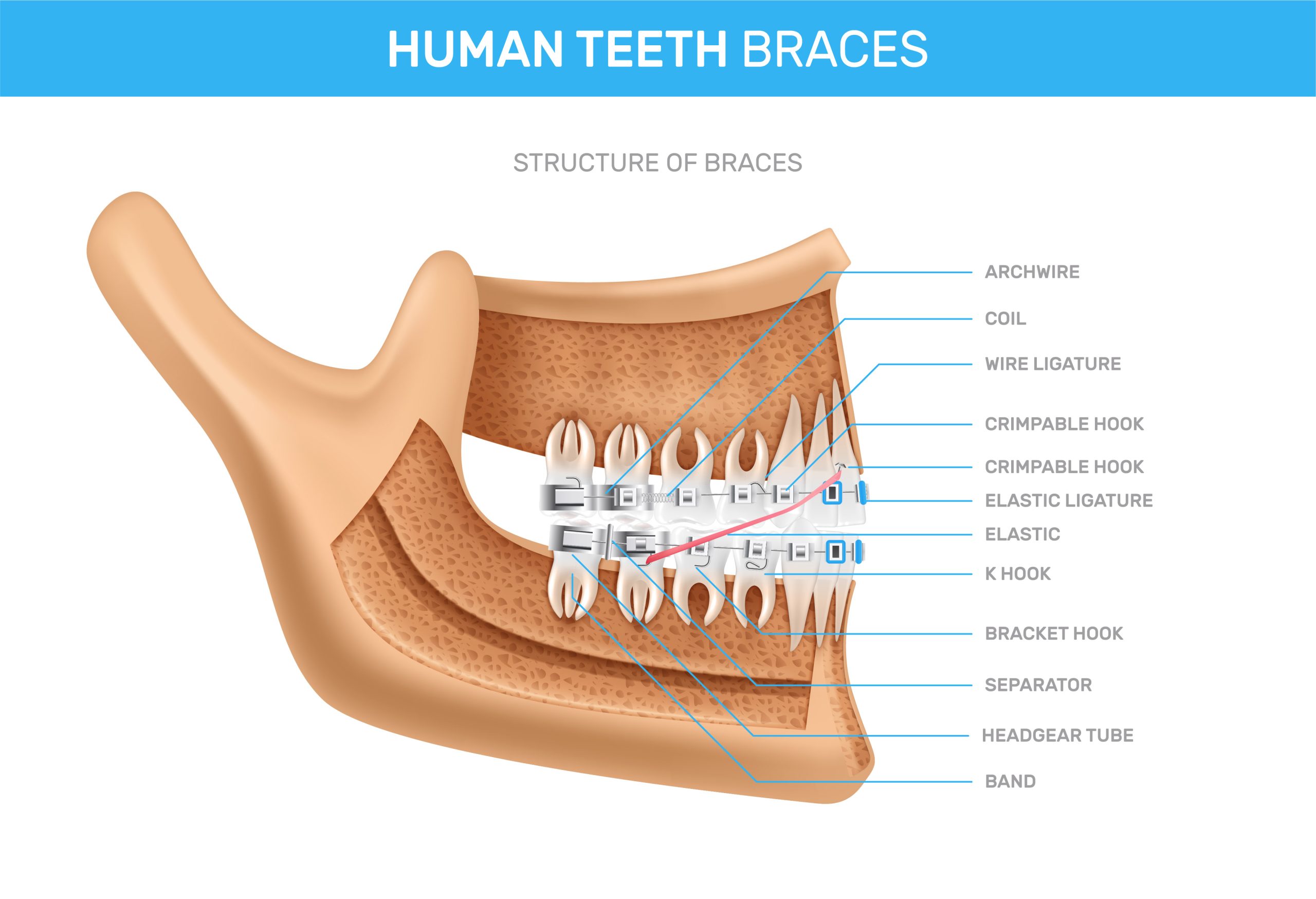
- Brackets are bonded onto the teeth
- A wire is fitted and secured with elastic ties or clips
For clear aligners:
- We take digital scans or impressions
- Your custom aligner series is planned and manufactured
- You receive your first sets of trays and instructions
Step 3: Regular Adjustment Visits
- Fixed braces: You visit us roughly every 4–8 weeks
- We adjust wires, change elastics, and monitor progress
- Clear aligners: You change trays at home every 1–2 weeks
- You visit periodically so we can ensure your teeth are moving as planned
We aim to keep appointments efficient and as comfortable as possible.
Step 4: Completion & Retainers
Once your teeth have moved into their final position:
- Braces are removed or aligner treatment is completed
- We take impressions or scans for retainers
- Retainers help keep your teeth from shifting back
Wearing retainers as recommended is essential to maintain your new smile long‑term.