
Hearing “you need a tooth extraction” can sound scary—but in the right hands, it doesn’t have to be. Sometimes, removing a badly damaged or infected tooth is the healthiest option, especially when it’s causing pain, swelling, or repeated infections.
At Ridgepark Dental Clinic in Parklands, Nairobi (Valley View Office Park, Block B, Ground Floor), we perform gentle tooth extractions, from simple loose teeth to more complex or broken teeth and wisdom teeth. We focus on:
If you’re dealing with a severe toothache, broken tooth, or dental abscess, we can help.

CEO & Founder

Our first priority is always to save your natural tooth whenever possible—through fillings, crowns, root canal treatment, or gum therapy.
We recommend extraction only when:
Before we remove any tooth, we’ll examine you, take X‑rays if needed, and explain all realistic options. If an extraction is genuinely the best choice, we’ll make sure you feel secure about the decision.
You might need an extraction if you have:
If you’re not sure whether your tooth can be saved, don’t guess. Let us examine it and walk you through the honest pros and cons of each option.
At Ridgepark Dental Clinic, we carry out different kinds of extractions depending on your situation.
These are performed on teeth that:
Most simple extractions are quick and straightforward, done under local anaesthetic.
Surgical extractions are needed when:
We may need to:
This sounds more dramatic than it usually feels; you are still well numbed, and we work carefully to minimise trauma and speed up healing.
Wisdom teeth (third molars) often cause trouble when they:
We assess wisdom teeth with X‑rays to see their position relative to nerves and neighbouring teeth and then:
We know many people feel nervous about extractions. Our approach is to keep things predictable, explained, and as comfortable as possible.
First, we:
You’ll receive a clear plan and a fee estimate before we proceed.
On the day:
Anaesthesia
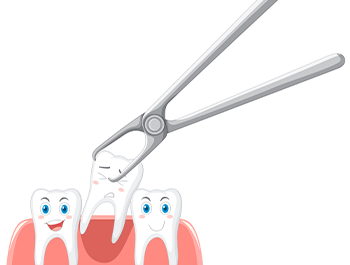
Loosening and Removing the Tooth
Cleaning the Socket
Initial Aftercare
You’ll stay with us until we’re happy that you’re stable, comfortable, and confident about what to do at home.
Pain is one of the biggest fears people have about extractions.
During the procedure:
After the procedure:
If you’re especially anxious, please tell us. We’re experienced with nervous patients and adjust our pace, explanation, and techniques to keep you as relaxed as possible.
Proper aftercare is crucial for comfortable healing and to prevent complications like dry socket.
We recommend that you:
Some oozing of blood mixed with saliva is normal for the first few hours.
Once the first 24 hours have passed, you can:
Mild swelling or bruising may appear, especially after surgical or wisdom tooth extractions; this usually peaks at 48–72 hours and then improves. Using a cold compress on the cheek (15 minutes on, 15 minutes off) in the first 24 hours can help.
We’ll schedule a review if needed and are always available if you’re worried about how things are healing.
Dry socket (alveolar osteitis) is a painful condition where:
It usually occurs:
If you suspect a dry socket (severe pain, bad taste, bad breath, little or no clot visible), contact us immediately. We can:
With proper treatment, dry socket is manageable and temporary.
Removing a tooth solves pain and infection, but it can create new problems if the gap is left empty:
At Ridgepark Dental Clinic, we’ll always discuss how (and whether) to replace the tooth after extraction. Options include:
Dental Implants
Dental Bridges
Partial Dentures
Wisdom teeth and some back teeth may not need replacement, depending on your bite. We’ll give you individualised advice, not a generic rule.
The cost of tooth extraction depends on:
At Ridgepark Dental Clinic, we are committed to:
For an accurate estimate, the best step is to come in for an examination or call us
Sometimes a tooth can be saved; sometimes removal is the only predictable option. We’ll show you X‑rays, explain the condition honestly, and compare the pros and cons of saving versus extracting. The final decision is always yours.
Simple extractions often take 15–30 minutes from start to finish. Surgical or wisdom tooth extractions may take longer, especially if the tooth is impacted or has unusual roots. We’ll give you an estimate once we’ve seen your X‑rays.
Many patients feel able to return to light work or school the next day, especially after simple extractions. For more complex or wisdom tooth extractions, you may prefer 1–2 days of rest, depending on your job and how you feel.
For the first day or two, choose soft foods:
Avoid very spicy, crunchy, hard, or hot foods, as well as alcohol and smoking during the initial healing phase.
Yes, but:
Good hygiene supports faster, cleaner healing.
In many cases, emergency dental care (including extractions) is safer than staying in pain or with infection. The second trimester is usually preferred, but we’ll always coordinate with your medical provider. Let us know if you’re pregnant or might be before we start.
If you’re in pain, have a broken tooth, or have been told you need an extraction, we’re here to help you through it calmly and safely.
Mon 7:00 am – 7:00 pm
Tue 7:00 am – 7:00 pm
Wed 7:00 am – 7:00 pm
Thur 7:00 am – 7:00 pm
Fri 7:00 am – 7:00 pm
Sat 7:00 am – 7:00 pm
Sun 8:30am – 6.00pm
Copyright © 2026 Ridgepark Dental All Rights Reserved