
A missing tooth is more than just a gap in your smile. It can change how you chew, how you speak, and even how you feel about meeting people or smiling in photos. Over time, it can also affect the health and position of the surrounding teeth.
At Ridgepark Dental Clinic in Parklands, Nairobi (Valley View Office Park, Block B, Ground Floor), we offer personalised teeth replacement solutions—from single‑tooth implants to full dentures—designed around your mouth, your budget, and your lifestyle.
Whether you’ve lost one tooth or many, we’ll help you move from “I’m managing” to “I can actually enjoy eating and smiling again.”
Many people live with gaps for years, especially if the missing teeth are at the back. But missing teeth often lead to problems you don’t see immediately:
Chewing becomes harder
You may start avoiding tougher foods like meat, apples, or maize.
Remaining teeth drift and tilt
Neighbouring teeth move into the space, making cleaning more difficult and your bite less stable.
Opposing teeth over‑erupt
The tooth that used to bite against the missing one can grow longer, becoming loose or sensitive.
Jawbone shrinks over time
Without a tooth root (or implant) to stimulate it, the bone in that area gradually resorbs.
Facial appearance changes
Multiple missing teeth can lead to a “collapsed” look around the mouth and cheeks.
Confidence takes a hit
Many patients tell us they avoid smiling widely, laughing freely, or eating in public.
Teeth replacement is not just cosmetic; it’s about function, comfort, and long‑term oral health.
There is no single “best” solution for everyone. At Ridgepark, we routinely combine and customise the following options:
Best for:
Single or multiple missing teeth where you want a long‑term, fixed solution that feels very close to your own teeth.
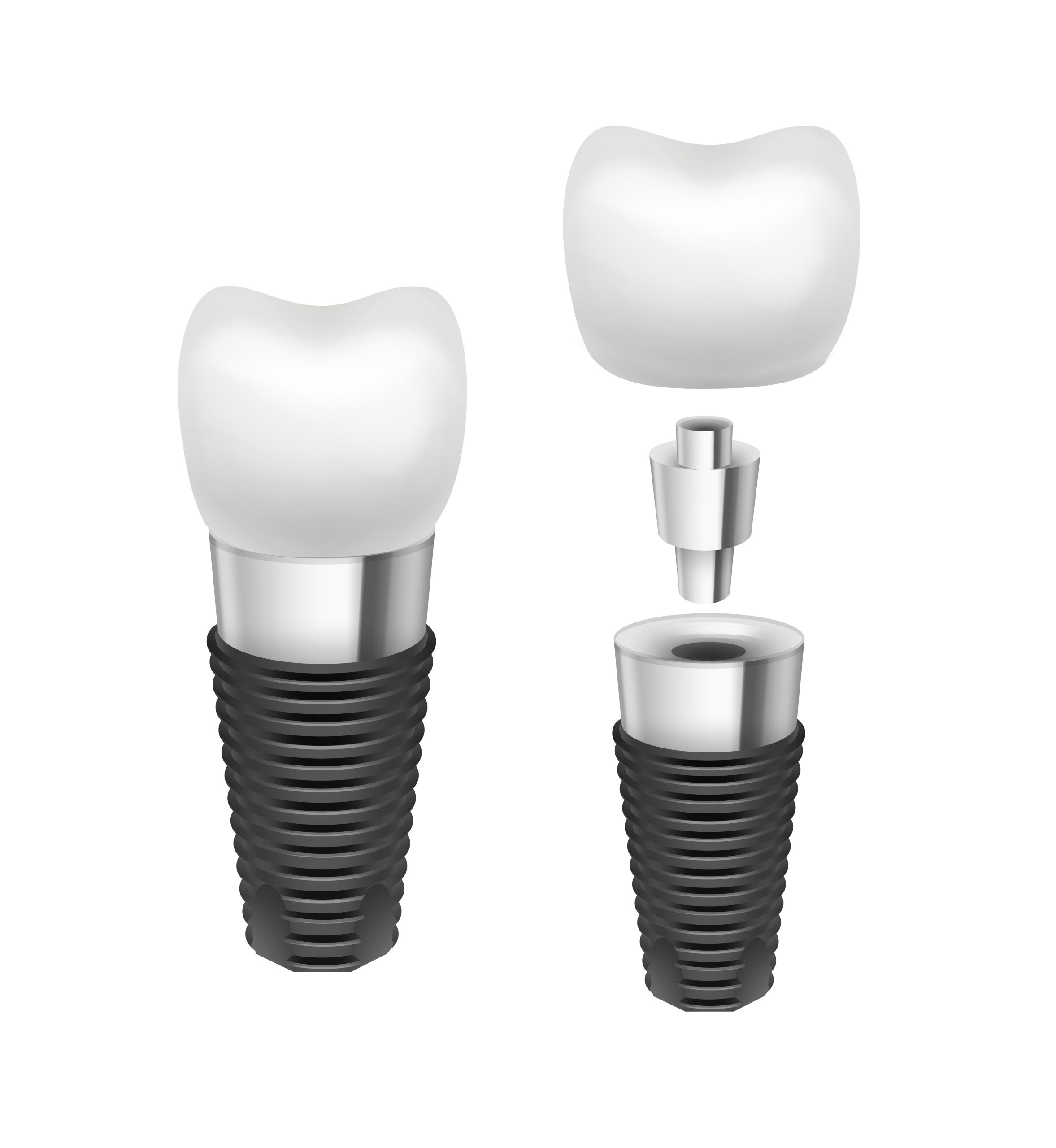
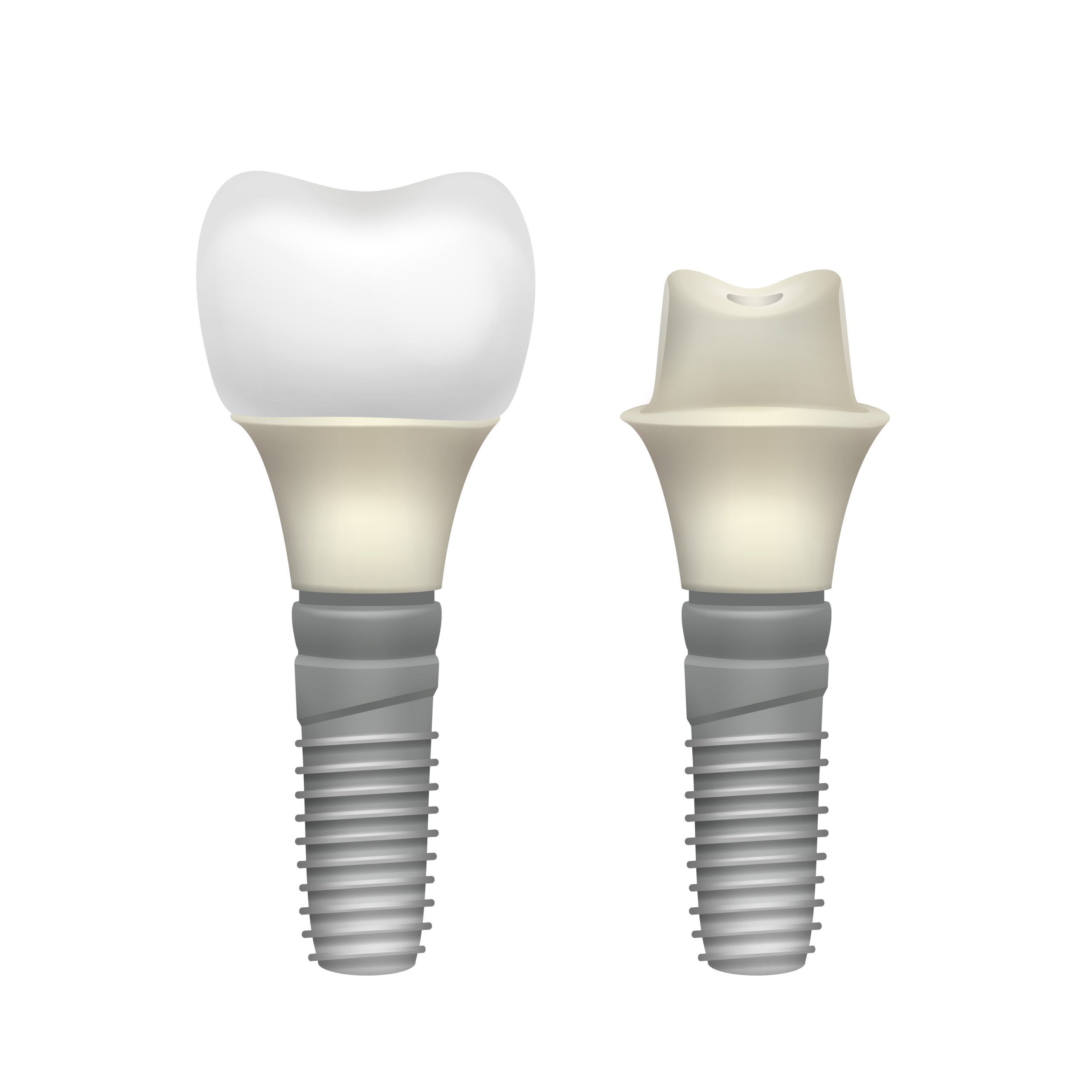
A dental implant is an artificial tooth root (usually titanium) placed in the jawbone, which then supports a crown, bridge, or denture.
Why patients choose implants:
Implants require healthy gums, adequate bone, and overall good health. If you’re missing bone, we may still have options with grafting. We’ll assess this with X‑rays and, if needed, 3D imaging.
Learn more on our Dental Implants page.
Best for:
Replacing one or a few teeth when the neighbouring teeth can support a bridge.
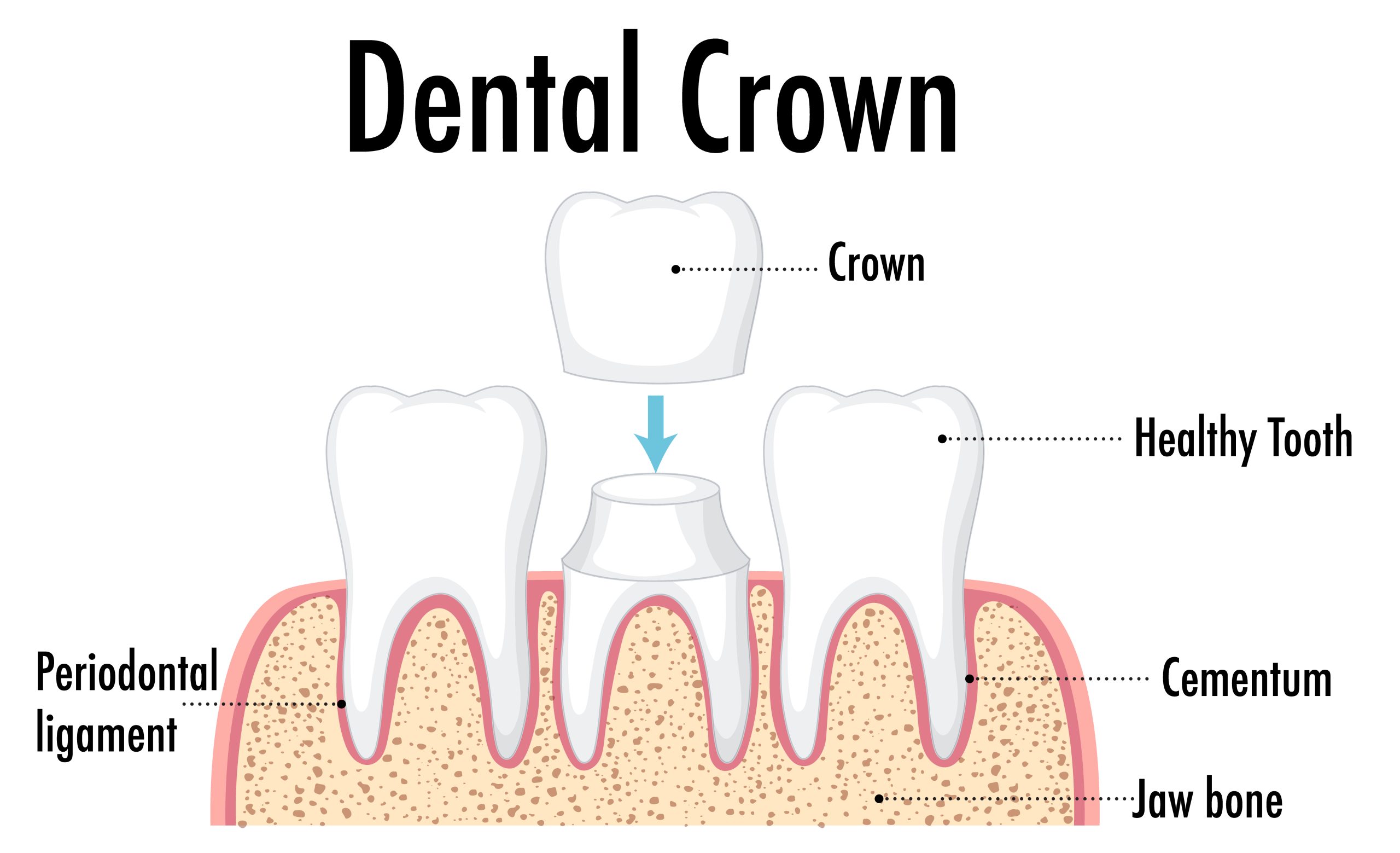
A bridge uses the teeth next to the gap as supports. Crowns are placed on these “abutment” teeth, with one or more artificial teeth (pontics) joined between them.
Advantages:
Considerations:
Bridges can be an excellent solution when implants aren’t possible or desired, or when neighbouring teeth already need crowns.
Best for:
Patients missing several teeth who want a more affordable option, or who are not candidates for implants/bridges.
Partial dentures are plates with replacement teeth attached, which clip around your remaining natural teeth.
Advantages:
Considerations:
Modern dentures are more comfortable and aesthetic than many people expect, especially when carefully designed and fitted.
Best for:
Patients who have lost all or almost all teeth in the upper or lower jaw.
Complete dentures sit on the gums and jawbone, replacing a full arch of teeth.
Advantages:
Considerations:
We can also discuss implant‑retained dentures, which use a few implants to anchor the denture more securely—particularly helpful for lower dentures.
We don’t just “fill gaps”; we plan your whole bite and smile.
We’ll walk you through each realistic option in your case:
You’ll be able to ask as many questions as you like. Our job is to give you clear information, not to push you into any particular treatment.
We then create a plan that may involve:
We can also phase treatment to spread cost and appointments—for example, restoring the front teeth first, then the back teeth.
The best replacement for you depends on:
As a simple guide:
We’ll help you weigh these up calmly and realistically.
Costs vary widely because teeth replacement is not a single treatment—it’s a spectrum of options.
They depend on:
At Ridgepark Dental Clinic, we aim for:
The most honest way to know what teeth replacement will cost for you is to come for a personalised assessment. We’ll give you numbers you can actually plan around—not guesses.
Many people cope for a while with missing molars, but long‑term it often leads to:
Replacing back teeth is especially important if you’ve already lost several, or if you notice you’re chewing mostly on one side.
Approximate ranges (with good care):
Regular checkups and good home care make a big difference to longevity.
With modern techniques and local anaesthetic, implant placement and most surgical procedures are usually much more comfortable than people expect. You might have some soreness or swelling for a few days, but most patients say it was easier than anticipated and similar (or easier) than a tooth extraction.
You’re not alone. Many patients arrive feeling embarrassed or not sure where to start. Our approach is:
You don’t have to fix everything at once. The important part is to begin.
Coverage in Kenya varies widely between insurers and employer schemes. Some contribute towards basic dentures or bridges; others exclude implants or major prosthetics. Bring your insurance details, and our team can help you understand what may be covered and assist with paperwork where possible.
Care depends on the type of replacement, but in general:
We’ll give you specific instructions and tools based on your treatment.
If you’re tired of hiding your smile, chewing only on one side, or avoiding certain foods, it may be time to talk seriously about replacing your missing teeth.
Mon 7:00 am – 7:00 pm
Tue 7:00 am – 7:00 pm
Wed 7:00 am – 7:00 pm
Thur 7:00 am – 7:00 pm
Fri 7:00 am – 7:00 pm
Sat 7:00 am – 7:00 pm
Sun 8:30am – 6.00pm
Copyright © 2026 Ridgepark Dental All Rights Reserved