
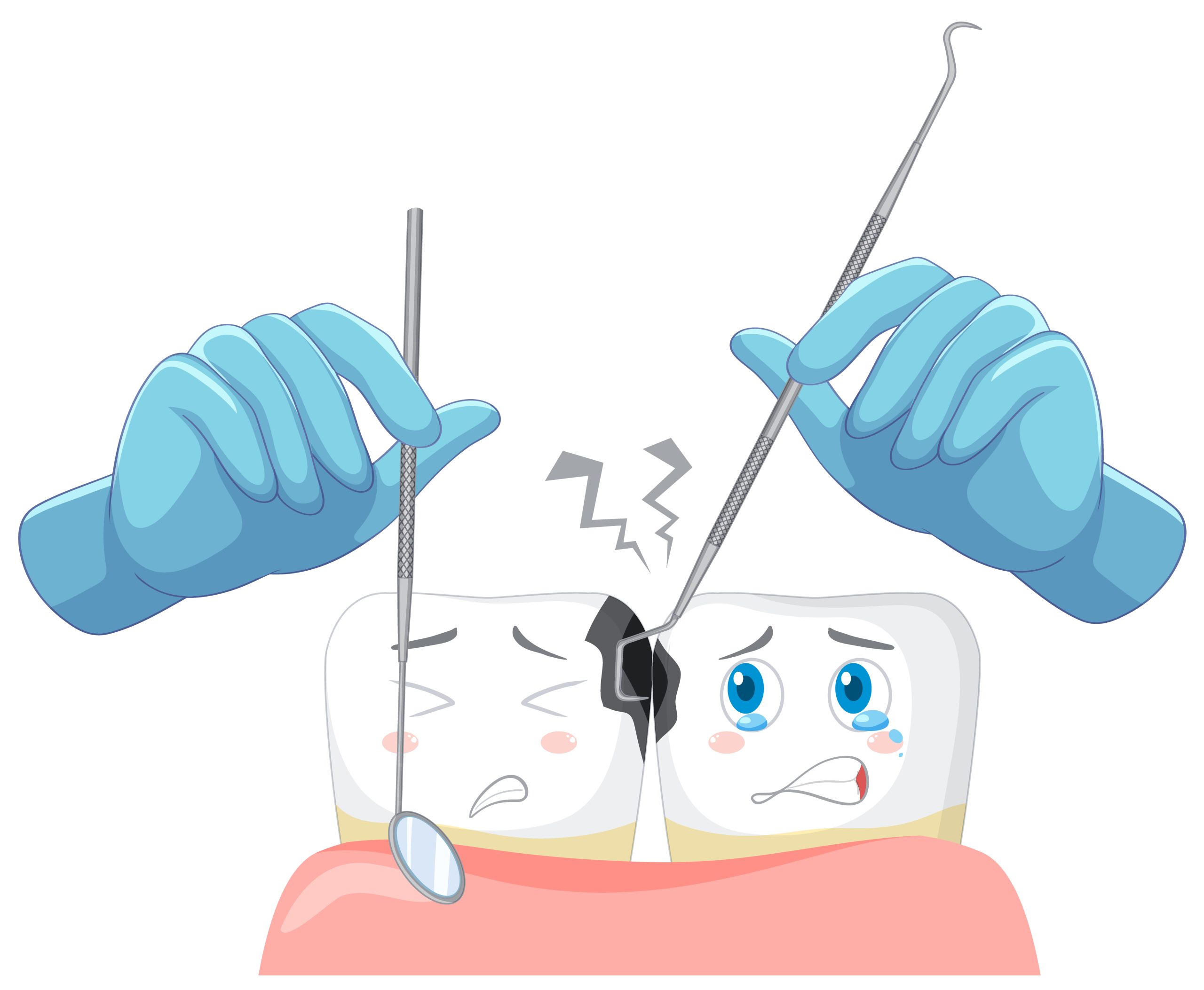
Toothache, sensitivity to cold, or a dark spot on your tooth are all signs that decay may be starting. If treated early, a simple dental filling is often all you need to save the tooth and avoid more complex work like root canals or crowns.
At Ridgepark Dental Clinic in Parklands, Nairobi, we focus on gentle, conservative treatment. Our goal is to remove as little tooth structure as possible and restore your tooth with natural looking, durable fillings.
We are located at Valley View Office Park, Block B, Ground Floor, and see patients from Parklands, Westlands, Muthaiga and across Nairobi.
A dental filling is a material used to repair a tooth that has been damaged by decay, wear, or minor fractures. Once the decayed part of the tooth is removed, the space is cleaned and then filled, restoring the tooth’s shape, strength and function.
At Ridgepark Dental Clinic we primarily use tooth coloured filling materials that blend with your natural enamel so most people will not notice which tooth was treated.
A filling helps to:
You should book an examination if you notice:
Sometimes small cavities have no symptoms at all. That is why regular checkups and X‑rays are important, so we can catch problems before they become painful.
We choose filling materials based on the location of the tooth, the size of the cavity, your bite and your aesthetic goals.
These are the most common fillings we place.
They:
Composite is a resin based material that we layer and sculpt, then harden with a special light.
In certain cases, for example around the gum line or in baby teeth, we may use glass ionomer materials. These can release fluoride and are helpful in areas where moisture control is difficult.
If you have existing metal amalgam fillings, we can assess them and discuss whether they are still healthy or whether replacement with tooth coloured materials would be beneficial.
Many patients are surprised by how simple and comfortable a filling appointment can be.
Examination and X‑rays if needed
We confirm that a filling is the right treatment and check how deep the decay goes.
Numbing the tooth
Local anaesthetic is used so you stay comfortable. You may feel pressure and vibration but not sharp pain.
Removing decay
We gently remove the decayed or weakened part of the tooth with precise instruments.
Cleaning and shaping the cavity
The cavity is cleaned thoroughly and shaped to hold the filling securely.
Placing the filling material
For composite fillings, we apply the material in layers, shaping it to match your tooth’s natural anatomy. Each layer is hardened with a curing light.
Checking your bite and polishing
We ask you to bite on a marking paper so we can adjust any high spots. The filling is then smoothed and polished so it feels natural.
You leave the clinic with a tooth that looks and functions very much like it did before the decay.
With proper local anaesthetic, the filling procedure itself should not be painful. You may feel:
All of this is normal and usually very manageable. If you feel any discomfort during treatment, we encourage you to let us know immediately so we can give more anaesthetic or adjust our technique.
After the filling, the tooth may feel a bit sensitive to cold or biting for a few days. This usually settles on its own. We will tell you what is normal and when to call us if something feels wrong.
Once the anaesthetic wears off, you can use the tooth normally.
It helps to:
Contact us if:
A small adjustment is sometimes needed, especially if the filling was large or your bite changed.
Old fillings do not last forever. Over time they can:
During checkups we assess your existing fillings. If a filling is still sound, we leave it alone. If we see gaps, cracks, or recurrent decay, we will explain the problem and recommend repair or replacement.
Sometimes a very large old filling means the tooth would be better protected with a crown rather than another filling. We will discuss these options clearly with you.
While we are happy to treat cavities, we would rather help you avoid them where possible. You can reduce your risk of needing new fillings by:
We will also give you personalised advice based on your diet, saliva flow, medical conditions and any signs we see in your mouth.
The cost of a filling depends on:
At Ridgepark Dental Clinic we explain fees in advance and provide a clear treatment plan. Treating a small cavity early is usually much more affordable than waiting until it becomes a deep problem that needs root canal treatment or a crown.
If you are worried about cost, you can talk to us openly. We can often prioritise the most urgent teeth first and plan the rest in stages.
Composite fillings can typically last many years when:
Smaller fillings usually last longer than very large ones. We monitor them at your routine visits.
For very small surface cavities, sometimes we can treat without anaesthetic, especially if the decay is shallow. However, for most fillings, a small injection makes the procedure much more comfortable. We can discuss this with you before we start.
Mild sensitivity to cold or biting pressure is common for a few days, especially with deeper fillings. The nerve inside the tooth needs time to settle. If the sensitivity is severe, getting worse, or lasts more than a week or two, let us know so we can check the tooth.
You can usually eat once the numbness has worn off. If you eat while still numb, you risk biting your cheek, tongue, or lip without realising it. For very large fillings, we may recommend being gentle with that tooth for the first day.
Modern composite materials are strong enough for most situations and bond to the tooth, which can actually help support it. In very large cavities or in patients with heavy biting forces, we may discuss whether an onlay or crown would be more durable in the long term.
Untreated decay usually spreads deeper into the tooth. This can lead to:
A simple filling now is almost always easier and more comfortable than waiting for a toothache.
If you have toothache, sensitivity, or suspect a cavity, the best time to act is now, while treatment is still simple.
You will find us at:
Ridgepark Dental Clinic
Valley View Office Park, Block B, Ground Floor
Parklands, Nairobi, Kenya
Contact our team to book an examination and we will check your teeth carefully, explain any problems in clear language, and recommend the most conservative, sensible treatment to keep your smile healthy.

Mon 7:00 am – 7:00 pm
Tue 7:00 am – 7:00 pm
Wed 7:00 am – 7:00 pm
Thur 7:00 am – 7:00 pm
Fri 7:00 am – 7:00 pm
Sat 7:00 am – 7:00 pm
Sun 8:30am – 6.00pm
Copyright © 2026 Ridgepark Dental All Rights Reserved