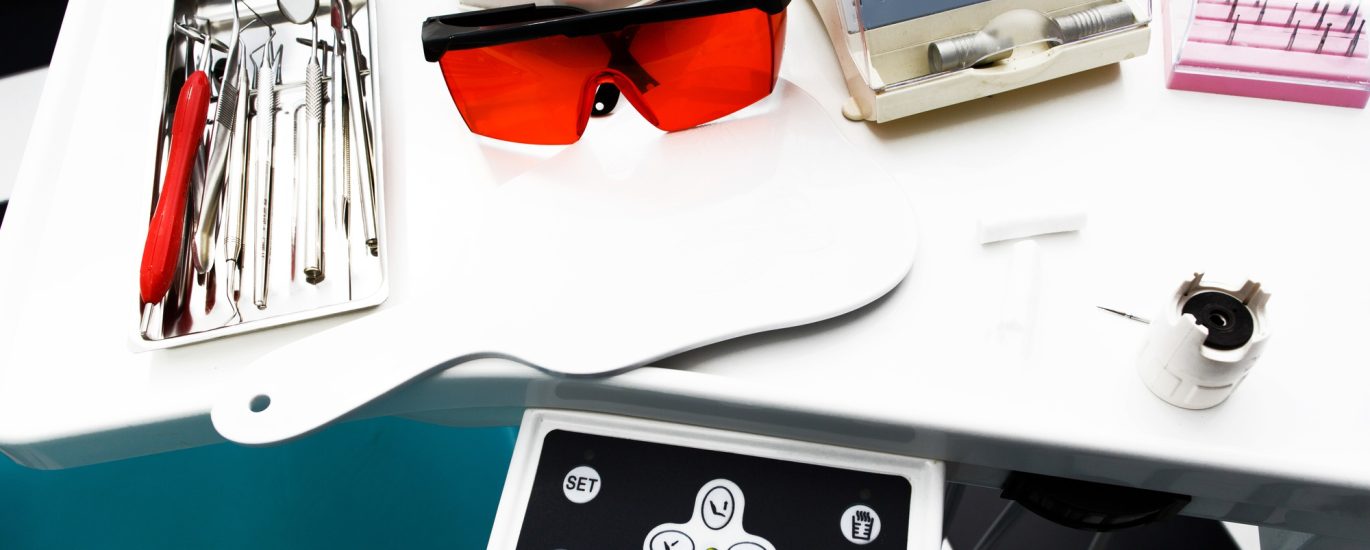
Dentistry has changed dramatically over the last twenty years. Today, modern dental equipment allows dentists to diagnose problems earlier and treat them with more precision and comfort.
Here are some of the key technologies you may see when you visit a modern clinic in Parklands, and what they mean for your experience.
Digital X‑rays
Traditional film X‑rays have largely been replaced by digital sensors.
Benefits include:
- Lower radiation dose compared to conventional film
- Images appear almost instantly on a computer screen
- Easy to enlarge and enhance for better diagnosis
- Simple to share with specialists or insurance companies
Digital panoramic or 3D scans can show the entire jaw, roots and sinuses, which is especially helpful for implants and wisdom tooth planning.
Intraoral Cameras
These tiny cameras fit inside the mouth and take close‑up photos of teeth and gums.
They allow:
- You to see exactly what your dentist sees
- Early detection of cracks, worn fillings and plaque
- Better communication when deciding on treatment
Many patients find they understand and trust recommendations more when they can see the problem clearly on a screen.
Rotary Endodontic Systems
For root canal treatment, many clinics now use rotary instruments powered by small electric motors.
Compared with older hand files, they:
- Clean and shape canals more smoothly
- Often reduce treatment time
- Improve consistency and precision
This can translate into more predictable results and shorter time in the chair.
Ultrasonic Scalers
Ultrasonic scalers use high‑frequency vibrations and water spray to remove tartar and plaque.
Advantages:
- Efficient removal of hard deposits
- Less scraping pressure compared to manual instruments
- Helpful for patients with heavy staining or gum disease
For many people, this makes professional cleaning more comfortable.
Advanced Sterilisation and Infection Control
Modern dental clinics use autoclaves, sealed instrument pouches and tracking systems to ensure instruments are properly sterilised every time.
You may notice:
- Instruments opened in front of you from sealed packs
- Disposable items such as suction tips and gloves
- Disinfection of surfaces between patients
These steps protect both patients and staff, and are now standard in quality practices.
Digital Records and Scheduling
Electronic dental records and digital scheduling systems might not sound exciting, but they improve:
- Accuracy of your history and treatment notes
- Coordination of care between dentists and specialists
- Reminders and follow‑up appointments
This technology reduces errors and saves time during each visit.
Technology With a Purpose
Not every gadget is necessary in every clinic. What matters is how each piece of modern equipment improves diagnosis, treatment quality, safety or comfort.
When you see digital X‑rays, intraoral cameras and other advanced tools at your dentist in Nairobi, they are there for one reason: to give you better care with less stress.
4. All Possible Ways to Align Your Teeth
Focus keyphrase: ways to align your teeth
SEO title: All the Ways to Align Your Teeth: Braces and Beyond
Slug: ways-to-align-your-teeth
Meta description: Explore all the ways to align your teeth, from metal braces and ceramic options to clear aligners and cosmetic alternatives. Understand which choice may suit you best.
All the Ways to Align Your Teeth
Straightening teeth is no longer limited to traditional metal braces. Today there are several ways to align your teeth, each with its strengths and limitations.
If you are considering orthodontic treatment in Nairobi, it helps to understand the main options so you can have an informed discussion with your dentist.
Traditional Metal Braces
Metal braces use small brackets attached to each tooth and a wire that gently moves teeth over time.
Pros:
- Very effective, even for complex crowding and bite problems
- Often the most affordable fixed option
- Suitable for children, teens and adults
Cons:
- Visible when you smile
- Require careful cleaning and dietary adjustments
For many patients, especially teenagers, metal braces remain an excellent and reliable choice.
Ceramic (Tooth‑Coloured) Braces
Ceramic braces work exactly like metal braces but use brackets made from tooth‑coloured or clear materials.
Pros:
- Much less noticeable than metal
- Good for people concerned about appearance at work or school
- Effective for many alignment and bite issues
Cons:
- More fragile than metal brackets
- Can stain around elastic ties if oral hygiene is poor
Ceramic braces are a popular middle ground between metal braces and clear aligners.
Lingual Braces
Lingual braces are attached to the back (tongue side) of the teeth, making them invisible from the front.
Pros:
- Hidden from view in most situations
- Can treat many complex cases
Cons:
- More difficult to clean
- Can initially affect speech and tongue comfort
- Typically more expensive and not available in all clinics
They may be suitable for highly image‑conscious adults where available.
Clear Aligners
Clear aligner systems use a series of transparent trays that gradually move teeth.
Pros:
- Almost invisible
- Removable for eating and brushing
- No metal brackets or wires
Cons:
- Require strong discipline to wear 20–22 hours per day
- Less effective for certain complex bite problems
- Can be more costly than basic braces
Clear aligners work well for motivated adults and older teens with mild to moderate crowding or spacing.
Cosmetic “Alignment” Options
In some cases, minor crookedness can be disguised cosmetically without moving the teeth fully.
Options include:
- Composite bonding to reshape edges
- Veneers to change the visible surface of teeth
- Contouring slightly uneven edges
These approaches may work when the bite is acceptable and changes are mostly cosmetic. They do not correct underlying jaw or bite problems.
Which Option Is Right For You?
The right way to align your teeth depends on:
- How crowded or spaced your teeth are
- Whether your bite is deep, open, cross or underbite
- Your age and jaw growth
- How visible you want (or don’t want) the appliances to be
- Your budget and willingness to follow instructions
Self‑assessment is difficult. The safest way is to have a full orthodontic evaluation. Your dentist can then explain what each option can realistically achieve for your specific case.
Aligning your teeth is an investment that lasts for decades. Taking time to choose the right method for you is well worth it.