
Healthy gums are the foundation of a healthy smile. When gums become inflamed or infected—often silently at first—you can eventually lose the bone that supports your teeth.
At Ridgepark Dental Clinic in Parklands, Nairobi (Valley View Office Park, Block B, Ground Floor), we diagnose and treat gum disease (gingivitis and periodontitis) with a calm, step‑by‑step approach. Our goal is to stop the progression of disease, protect your teeth, and help you keep your mouth healthy for the long term.
If you’ve noticed bleeding gums, bad breath, or loose teeth, we strongly recommend a periodontal assessment.

CEO & Founder

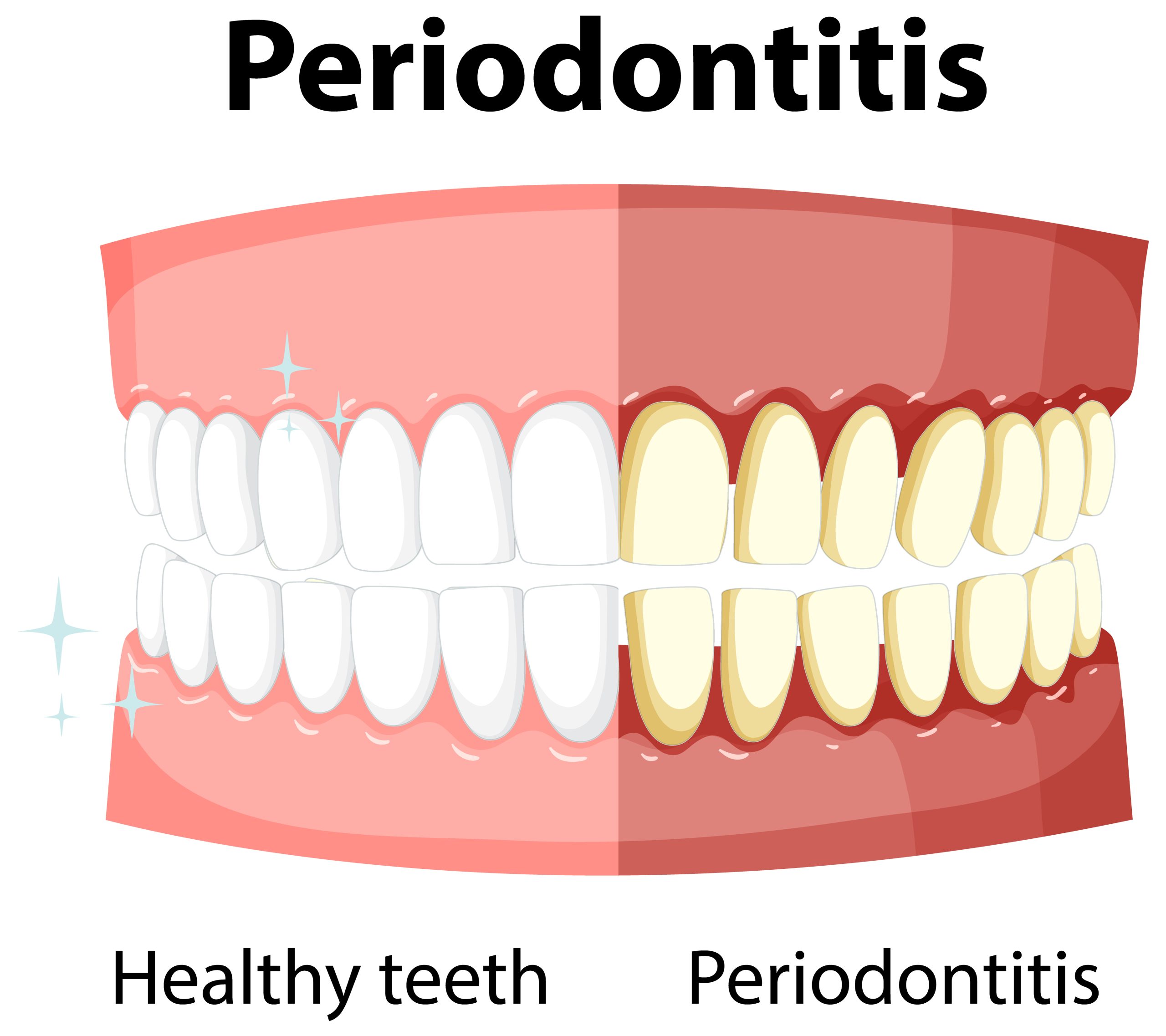
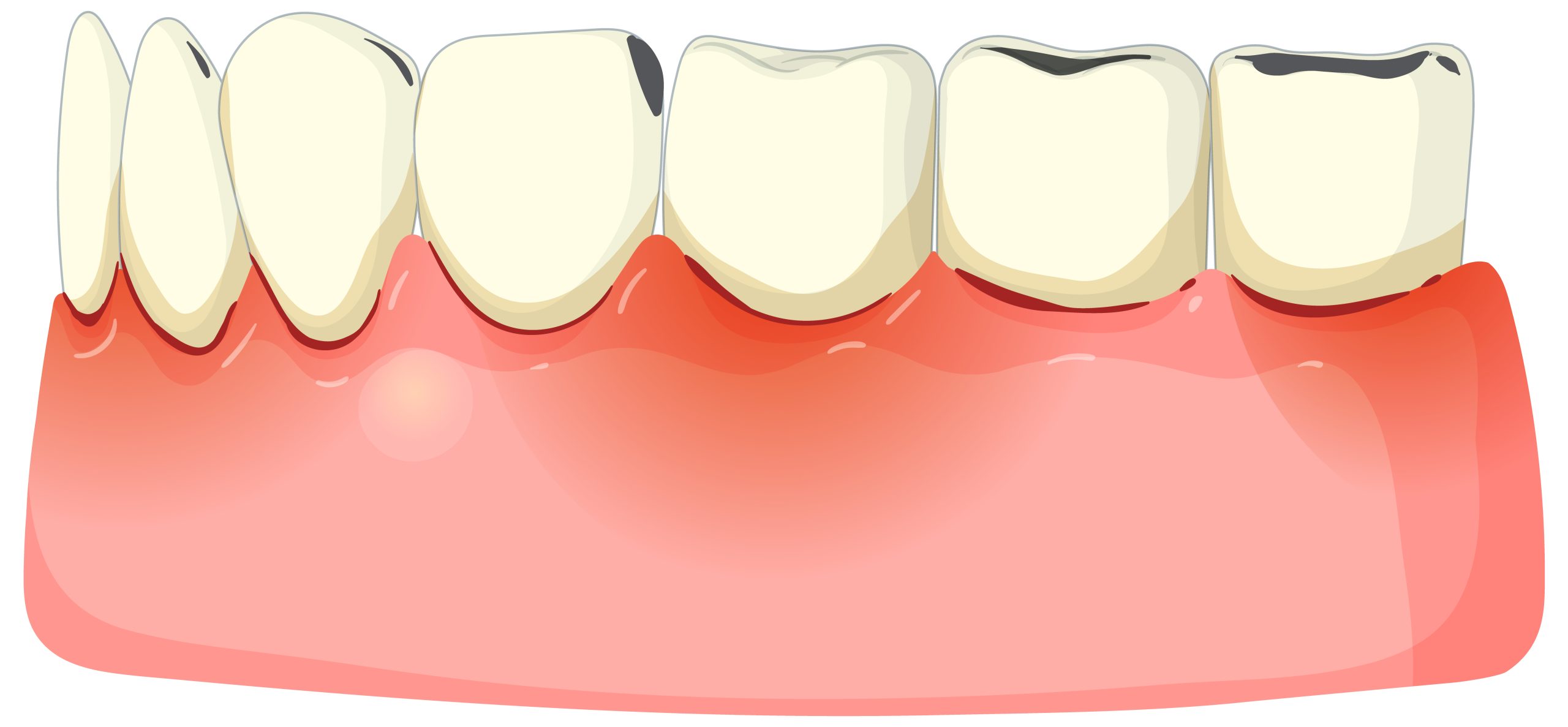
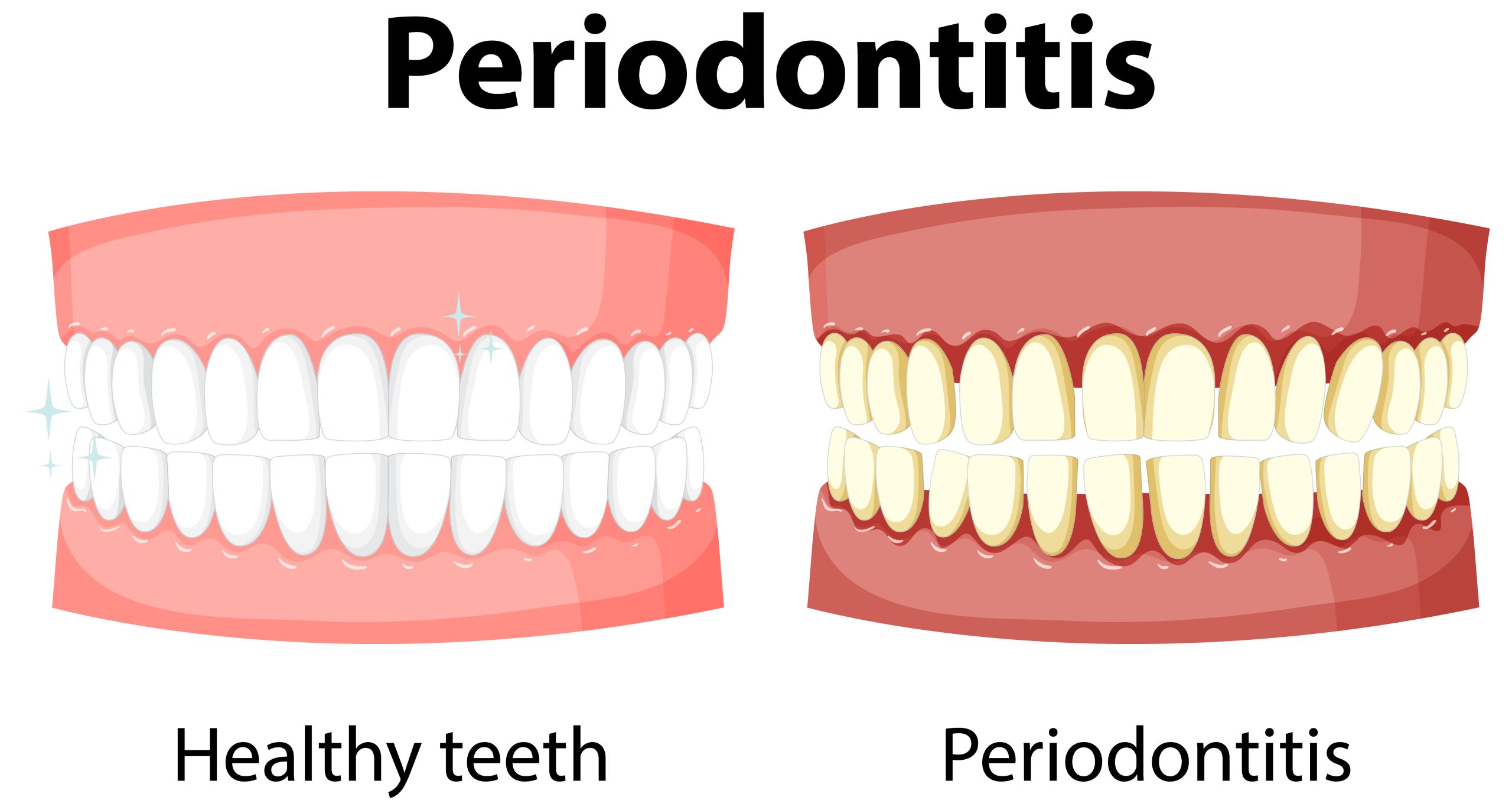
Gum disease, also known as periodontal disease, is an infection and inflammation of the tissues that support your teeth.
It usually starts with:
There are two main stages:
Gum disease is often painless until it’s advanced—that’s why regular checkups and cleanings are so important.
Contact us for a gum assessment if you notice:
Even if you’re not in pain, these signs should not be ignored. Early treatment is easier, less invasive, and more predictable.
Untreated gum disease doesn’t just affect your mouth. It can:
Research has also linked gum disease to general health issues, including:
Treating gum disease is not only about saving your teeth—it’s part of looking after your overall health.
We tailor treatment to the stage and severity of your gum disease. Not every patient needs advanced therapy; some can be managed with improved home care and regular cleanings. Others need deeper treatment.
Your visit typically includes:
We then share our findings with you in plain language and outline a personalised treatment plan.
For mild gum disease (gingivitis):
You’ll be scheduled for regular maintenance cleanings to keep gums healthy and prevent recurrence.
For moderate to advanced gum disease (periodontitis), we usually recommend deep cleaning, also called scaling and root planing.
This involves:
Deep cleaning may be done over one or several appointments, depending on:
After treatment, gums can become less inflamed, pockets may reduce in depth, and the progression of disease can often be halted or slowed significantly.
In selected cases, we may support deep cleaning with:
These do not replace mechanical cleaning but can help in more stubborn or severe areas.
Gum disease is a chronic condition—much like diabetes or high blood pressure. Once you’ve had periodontitis, you stay at higher risk for future problems.
For that reason, after active treatment, we place you on a periodontal maintenance schedule, usually every 3–4 months, to:
This maintenance is crucial to protect the progress you’ve made.
In very advanced cases—deep defects, persistent pockets, or aesthetic gum concerns—we may discuss referral to a periodontist (gum specialist) for:
We coordinate closely with specialists when necessary to ensure integrated, well‑planned care.
Many patients are worried that gum treatment will be very painful. Our approach is to make it as comfortable and manageable as possible.
Most patients report that deep cleaning was much easier than they feared, and that their gums feel better and healthier afterwards.
Certain factors can make gum disease more likely or harder to control:
High blood sugar can:
Treating gum disease can sometimes help improve blood sugar control, and good diabetes management supports better gum health.
Smoking:
If you smoke, we strongly encourage cutting down or quitting. We’ll always meet you where you are without judgement.
Hormonal changes in pregnancy can make gums more sensitive and prone to inflammation (pregnancy gingivitis). Untreated gum disease has been linked to certain pregnancy complications.
Routine gum assessment and cleaning during pregnancy is generally safe and recommended. Tell us if you’re pregnant so we can plan appropriately (e.g., X‑rays only when necessary and appropriate shielding).
Costs depend on:
At Ridgepark Dental Clinic, you can expect:
The earlier gum disease is treated, the simpler and less costly it usually is. Delaying often leads to more complex, more expensive treatment—or tooth loss.
No. Bleeding is usually a sign of inflammation from plaque, not a sign that you should avoid cleaning. However, you should:
As the gums get healthier, the bleeding typically decreases.
Early gingivitis can usually be reversed with professional cleaning and good home care. Periodontitis is a chronic condition: we often can’t “cure” it permanently, but we can control it—much like high blood pressure—with treatment and regular maintenance.
Gum disease is often silent. Many people have significant bone loss and deep pockets with little or no pain. That’s why regular checkups—rather than waiting for pain—are so important.
Not necessarily. With early diagnosis, proper treatment, and ongoing maintenance, many patients keep their natural teeth for life. However, ignoring advanced gum disease greatly increases the risk of tooth loss.
Yes, but:
Good hygiene supports faster, cleaner healing.
If you’ve noticed bleeding gums, bad breath, or loose teeth—or you simply haven’t had a checkup in a long time—now is a good time to act. Gum disease usually gets worse quietly; taking action early gives you many more options.
Mon 7:00 am – 7:00 pm
Tue 7:00 am – 7:00 pm
Wed 7:00 am – 7:00 pm
Thur 7:00 am – 7:00 pm
Fri 7:00 am – 7:00 pm
Sat 7:00 am – 7:00 pm
Sun 8:30am – 6.00pm
Copyright © 2026 Ridgepark Dental All Rights Reserved