Tooth Extraction

Tooth Extraction in Parklands, Nairobi

Gentle, Safe Tooth Removal at Ridgepark Dental Clinic

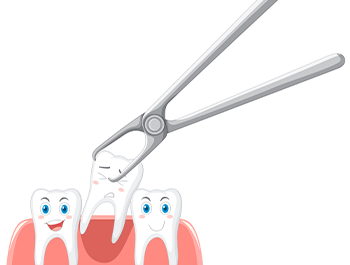
Hearing “you need a tooth extraction” can sound scary—but in the right hands, it doesn’t have to be. Sometimes, removing a badly damaged or infected tooth is the healthiest option, especially when it’s causing pain, swelling, or repeated infections.

At Ridgepark Dental Clinic in Parklands, Nairobi (Valley View Office Park, Block B, Ground Floor), we perform gentle tooth extractions, from simple loose teeth to more complex or broken teeth and wisdom teeth. We focus on:

  • Keeping you comfortable
  • Clearly explaining every step
  • Protecting the rest of your teeth and gums
  • Planning for replacement where needed

If you’re dealing with a severe toothache, broken tooth, or dental abscess, we can help.

Dr. lesley

CEO & Founder

Tooth Extraction as a Last Resort

Our first priority is always to save your natural tooth whenever possible—through fillings, crowns, root canal treatment, or gum therapy.

We recommend extraction only when:

  • The tooth is too damaged or decayed to restore
  • Infection or fracture makes root canal treatment unlikely to succeed
  • Advanced gum disease has left the tooth very loose
  • The tooth is cracked below the gum line
  • A badly positioned or impacted wisdom tooth is causing problems
  • A tooth must be removed for orthodontic or prosthetic reasons

Before we remove any tooth, we’ll examine you, take X‑rays if needed, and explain all realistic options. If an extraction is genuinely the best choice, we’ll make sure you feel secure about the decision.

Common Reasons for Tooth Extraction

You might need an extraction if you have:

  • Severe toothache that doesn’t improve with painkillers
  • Deep decay reaching the nerve and bone
  • A tooth broken at or below the gum line
  • Repeated infections or abscesses around the same tooth
  • Very loose teeth due to advanced gum disease
  • Crowding, where teeth need removal before orthodontic treatment
  • Painful or infected wisdom teeth

If you’re not sure whether your tooth can be saved, don’t guess. Let us examine it and walk you through the honest pros and cons of each option.

Types of Tooth Extractions We Perform

At Ridgepark Dental Clinic, we carry out different kinds of extractions depending on your situation.

1. Simple (Routine) Extractions

These are performed on teeth that:

  • Are visible in the mouth
  • Are not severely broken or impacted
  • Have enough structure to grip and gently loosen

Most simple extractions are quick and straightforward, done under local anaesthetic.

2. Surgical Extractions

Surgical extractions are needed when:

  • The tooth has broken off at the gum line
  • Roots are curved or difficult to access
  • The tooth is partially or fully covered by gum or bone

We may need to:

  • Make a small incision in the gum
  • Gently remove some bone around the tooth
  • Section the tooth into pieces to remove it safely

This sounds more dramatic than it usually feels; you are still well numbed, and we work carefully to minimise trauma and speed up healing.

3. Wisdom Tooth Removal

Wisdom teeth (third molars) often cause trouble when they:

  • Don’t have enough space to come through
  • Grow at an angle, pushing into the neighbouring tooth
  • Partially erupt, trapping food and bacteria
  • Cause repeated gum infections (pericoronitis) or jaw pain

We assess wisdom teeth with X‑rays to see their position relative to nerves and neighbouring teeth and then:

  • Monitor them if they are healthy and well positioned
  • Remove them if they are causing pain, infection, or damage

The Tooth Extraction Process at Ridgepark Dental Clinic

We know many people feel nervous about extractions. Our approach is to keep things predictable, explained, and as comfortable as possible.

1. Examination & Treatment Plan

First, we:

  • Discuss your symptoms and medical history
  • Examine your teeth and gums
  • Take X‑rays to see the root shape and surrounding bone
  • Explain whether extraction is necessary or if alternatives exist
  • Discuss pain control, aftercare, and any replacement options (implants, bridges, etc.)

You’ll receive a clear plan and a fee estimate before we proceed.

2. On the Day of Extraction

On the day:

  1. Anaesthesia

    • We numb the area thoroughly with local anaesthetic.
    • You will feel pressure, but should not feel sharp pain.
  2. Loosening and Removing the Tooth

    • For simple extractions, we gently loosen the tooth and remove it in one piece if possible.
    • For surgical or wisdom extractions, we may remove bone or divide the tooth into sections for safe removal.
  3. Cleaning the Socket

    • We clean out any debris or infected tissue.
    • In some cases, we may place stitches to help the area heal.
  4. Initial Aftercare

    • You bite on gauze for 20–30 minutes to control bleeding.
    • We give you written and verbal aftercare instructions, and prescribe medication if needed.

You’ll stay with us until we’re happy that you’re stable, comfortable, and confident about what to do at home.

Is Tooth Extraction Painful?

Pain is one of the biggest fears people have about extractions.

During the procedure:

  • We use local anaesthetic to numb the tooth and surrounding tissue.
  • You may feel movement and pressure, but you should not feel sharp pain.
  • If you feel pain at any point, we stop and give more anaesthetic.

After the procedure:

  • It’s normal to have some soreness or throbbing for a few days.
  • Most patients manage comfortably with prescribed or over‑the‑counter pain relief.
  • Discomfort typically reduces significantly after 48–72 hours.

If you’re especially anxious, please tell us. We’re experienced with nervous patients and adjust our pace, explanation, and techniques to keep you as relaxed as possible.

Healing and Aftercare

Proper aftercare is crucial for comfortable healing and to prevent complications like dry socket.

Immediately After Extraction (First 24 Hours)

We recommend that you:

  • Bite on the gauze for 20–30 minutes to help a blood clot form.
  • Do not rinse, spit forcefully, or use a straw for 24 hours (this can dislodge the clot).
  • Avoid hot drinks and very hot foods until the numbness wears off.
  • Avoid smoking and alcohol (they delay healing and increase infection risk).
  • Rest and keep your head slightly elevated when lying down.

Some oozing of blood mixed with saliva is normal for the first few hours.

After the First Day

Once the first 24 hours have passed, you can:

  • Rinse your mouth gently with warm salty water (several times a day).
  • Brush and floss other teeth as usual, being careful around the extraction site.
  • Eat soft foods (e.g., ugali, rice, mashed potatoes, soups) on the opposite side.
  • Gradually return to your normal diet as you feel comfortable.

Mild swelling or bruising may appear, especially after surgical or wisdom tooth extractions; this usually peaks at 48–72 hours and then improves. Using a cold compress on the cheek (15 minutes on, 15 minutes off) in the first 24 hours can help.

How Long Does Healing Take?

  • Soft tissue usually starts to feel much better in 3–7 days.
  • The extraction socket continues to heal and fill with bone over several weeks to months.
  • Stitches, if used, are often removed after about 7–10 days (or may dissolve on their own, depending on the type).

We’ll schedule a review if needed and are always available if you’re worried about how things are healing.

What Is Dry Socket?

Dry socket (alveolar osteitis) is a painful condition where:

  • The blood clot in the extraction site is dislodged or dissolves too early
  • The underlying bone and nerve endings become exposed
  • You feel intense pain radiating from the socket to the ear, jaw, or temple

It usually occurs:

  • A few days after extraction
  • More commonly with lower wisdom teeth
  • More often in smokers or people who rinse/spit vigorously too soon

If you suspect a dry socket (severe pain, bad taste, bad breath, little or no clot visible), contact us immediately. We can:

  • Gently clean the area
  • Place a medicated dressing to soothe the site
  • Adjust your pain medication if necessary

With proper treatment, dry socket is manageable and temporary.

Replacing a Tooth After Extraction

Removing a tooth solves pain and infection, but it can create new problems if the gap is left empty:

  • Neighbouring teeth may tilt or drift into the space
  • Opposing teeth may over‑erupt
  • Your bite can change, leading to uneven wear or jaw discomfort
  • Spaces in the smile zone can affect confidence

At Ridgepark Dental Clinic, we’ll always discuss how (and whether) to replace the tooth after extraction. Options include:

  • Dental Implants

    • A long‑term, fixed solution that feels like a natural tooth.
  • Dental Bridges

    • A fixed restoration supported by neighbouring teeth.
  • Partial Dentures

    • A removable, usually more affordable option, especially for multiple missing teeth.

Wisdom teeth and some back teeth may not need replacement, depending on your bite. We’ll give you individualised advice, not a generic rule.

Cost of Tooth Extraction in Nairobi

The cost of tooth extraction depends on:

  • Whether it’s a simple or surgical extraction
  • The position and condition of the tooth (e.g., wisdom teeth, broken roots)
  • Whether X‑rays or additional procedures (like sectioning, bone removal) are needed
  • The type of anaesthesia used

At Ridgepark Dental Clinic, we are committed to:

  • Transparent pricing – clear quotation before any procedure
  • Explaining all steps and fees in advance
  • Offering options where possible (e.g., simple vs surgical approach where appropriate)

For an accurate estimate, the best step is to come in for an examination or call us

Sometimes a tooth can be saved; sometimes removal is the only predictable option. We’ll show you X‑rays, explain the condition honestly, and compare the pros and cons of saving versus extracting. The final decision is always yours.

Simple extractions often take 15–30 minutes from start to finish. Surgical or wisdom tooth extractions may take longer, especially if the tooth is impacted or has unusual roots. We’ll give you an estimate once we’ve seen your X‑rays.

Many patients feel able to return to light work or school the next day, especially after simple extractions. For more complex or wisdom tooth extractions, you may prefer 1–2 days of rest, depending on your job and how you feel.

For the first day or two, choose soft foods:

  • Yoghurt, smoothies (with a spoon, not a straw)
  • Ugali, potatoes, rice, pasta
  • Well‑cooked vegetables and soft fruits
  • Soups (not too hot)

Avoid very spicy, crunchy, hard, or hot foods, as well as alcohol and smoking during the initial healing phase.

Yes, but:

  • Avoid brushing directly over the extraction site for the first day or two.
  • Brush other teeth normally.
  • Start gentle warm salty mouth rinses after 24 hours, not before.

Good hygiene supports faster, cleaner healing.

In many cases, emergency dental care (including extractions) is safer than staying in pain or with infection. The second trimester is usually preferred, but we’ll always coordinate with your medical provider. Let us know if you’re pregnant or might be before we start.

Tooth Extractions at Ridgepark Dental Clinic – Parklands, Nairobi.

If you’re in pain, have a broken tooth, or have been told you need an extraction, we’re here to help you through it calmly and safely.